Choosing the right chopping board is more than just a matter of aesthetics – it’s about hygiene, durability, and the safety of your food. Wooden and plastic boards are the most common options, but they each have their advantages and drawbacks. Here’s a detailed comparison to help you make an informed choice.
Hygiene and Safety
Wooden Boards
Wood has natural antimicrobial properties. Certain types of wood, like maple and beech, can inhibit bacterial growth. Proper maintenance is key: wooden boards should be regularly oiled and thoroughly dried after washing.
Deep cuts can harbour bacteria if boards aren’t cleaned properly, but studies suggest that bacteria die off naturally in wood more quickly than in plastic.
Plastic Boards
Plastic boards are non-porous and can be washed in a dishwasher at high temperatures, which makes them easy to sanitise. Over time, deep knife grooves can form, which may trap bacteria and be difficult to clean.
Many people use colour-coded plastic boards for different food types (meat, vegetables, fish) to prevent cross-contamination.
Durability and Maintenance
Wooden Boards
Wooden boards are generally more durable and resistant to deep cuts if made from quality hardwood. They require periodic maintenance with food-safe mineral oil to prevent cracking or warping and can last for many years if properly cared for.
Plastic Boards
Plastic boards are lighter and easier to store but can wear out faster with heavy knife use and may need replacing more often.
On the other hand, they are resistant to water damage and warping, and dishwasher safe for easy cleaning.
Knife Friendliness
Wooden Boards
Wooden boards are gentle on knives, helping maintain sharp edges longer. Hardwoods are firm but slightly forgiving, reducing the risk of dulling blades.
Plastic Boards
Plastic boards can be harder on knives depending on thickness and quality. Softer plastics are gentler, but low-quality boards may cause faster dulling of knives.
Aesthetics and Style
Wooden Boards
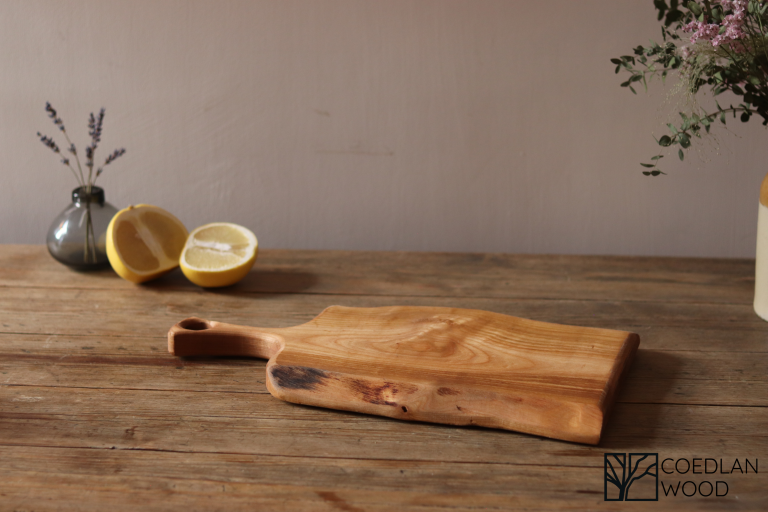
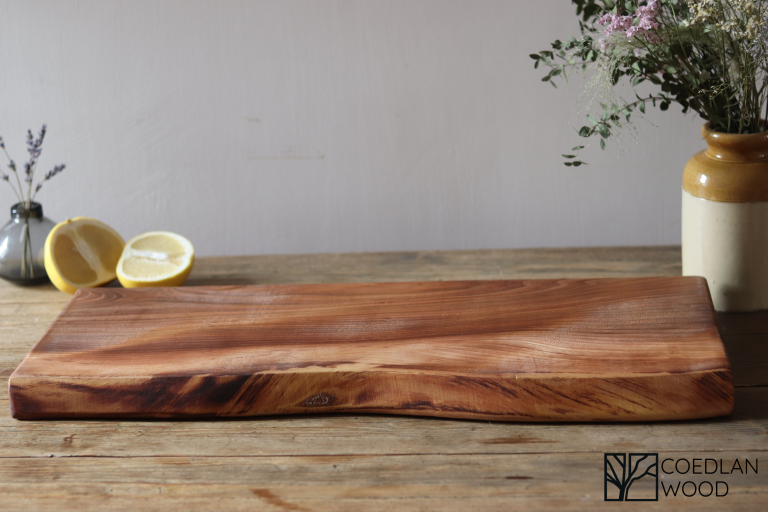
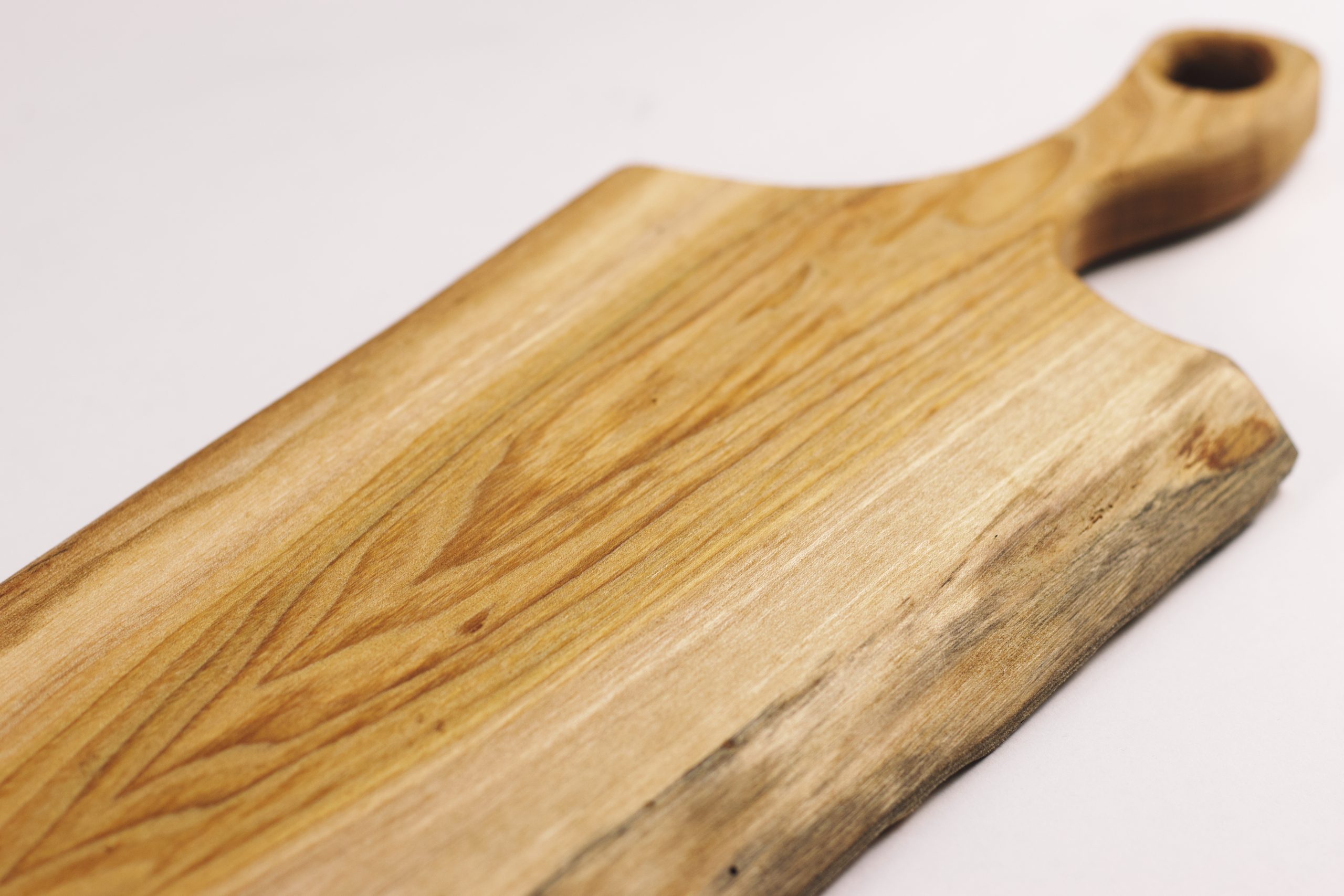
Above all, wooden boards are naturally beautiful and add warmth to any kitchen, especially live edge chopping boards and chopping boards with knots that effortlessly add character.
They can also often double as serving boards for cheese or charcuterie, something which you wouldn’t typically do with a plastic board.
Plastic Boards
Plastic boards are functional and lightweight, but less visually appealing. They come in various colours, making it easy to assign boards for different foods.
Environmental Considerations
Wooden Boards
Wooden boards are renewable and biodegradable if sourced responsibly. Their longevity reduces overall environmental impact.
Plastic Boards
Plastic boards are made from non-renewable petroleum products. They are less environmentally friendly unless recycled materials are used.
So what’s the verdict?
Both wooden and plastic chopping boards have their merits.
Wood is ideal for those who prioritise durability, aesthetics, and gentle treatment of knives. Plastic is best for people who prefer low-maintenance, dishwasher-safe options, especially for meat preparation.
But of course, wooden chopping boards win hands down for aesthetics.
In practice, many kitchens use a combination: wooden boards for vegetables and general prep, and plastic boards for raw meat to simplify sanitation. The best choice ultimately depends on your cooking habits, hygiene priorities, and personal preference.